Revelation Gallery – Ancient Flint Tools & Prehistoric Stone
Tool Technologies
By Brett Martin · Eoliths.org
The Revelation Gallery features a collection of original ancient
sculptured art, showcasing Oldowan, Acheulean and older flint tool
typologies and figurative works of art crafted in extreme antiquity.
These finds are all from one small area of the Southdowns, a site
within a few miles of the famous Boxgrove early man site. The patina
on these stone tools is thick, demonstrating a significant antiquity.
Each piece blends ancient stone working craftsmanship with almost
modern artistry, revealing unexpected levels of skill, perception,
cognitive ability, and planning, reflective of the remarkable
Palaeolithic art tradition and technological innovation.
This page is dedicated to ancient flint tools and stone
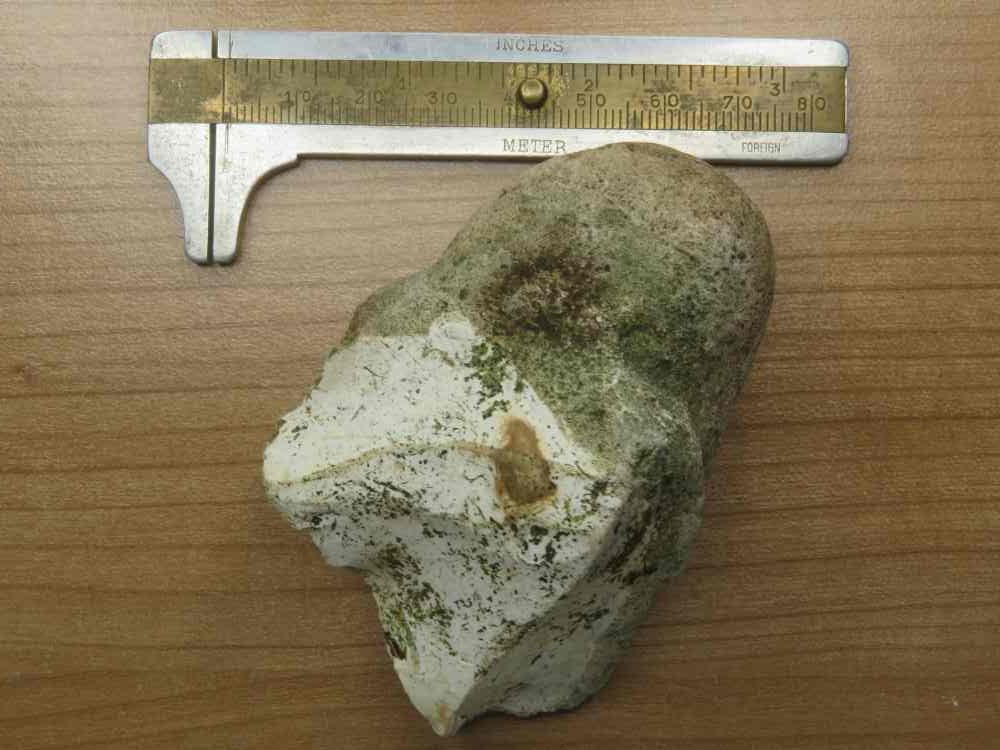
tool technologies – including Oldowan cobble choppers,
Acheulean handaxes and ovates, unifacial scrapers, hammerstones,
tabular flint anvils, echinoid and hematite hammerstones, and other prehistoric
flint tool typologies from the Southdowns flint tool
assemblage near Boxgrove. If you are searching for information on Oldowan
flint tools, Acheulean flint tools, Palaeolithic flint tools,
ancient flint tool technology, or how to recognise genuine worked
flint tools, this is the entry point into the technology side
of the site.
ancient flint tools Oldowan
tools Acheulean tools prehistoric stone
tool technology Southdowns flint tools Boxgrove
flint tools
Go to the
Revelation Gallery »
Southdowns Flint Tools: Oldowan, Acheulean, and Early Human
Technology in Britain
Site Introduction and the differing types of finds
High on the chalk slopes of the
Southdowns, not far from Boxgrove where Britain’s oldest human bones
were found, another story is quietly surfacing. In this same ancient
landscape that once held Homo
heidelbergensis, I have been uncovering a place that feels
alive with stone. Among the nodules and fossils are not only the
well-shaped Acheulean handaxes we already know, but tools that seem
older, rougher, more original. Choppers, hammerstones, adzes, anvils,
scrapers, flakes. The very beginnings of human technology.
Their thick white patina, the way
they break and the logic behind their form, all point far back in
time. These are not the tools of evolution’s mid-story, but of its
opening lines. And they appear in a place long thought to mark only
the later parts of prehistory. Together they hint at something
remarkable. Beneath the Boxgrove record there might be an older layer
still, not measured in hundreds of thousands but in millions of years.
Every piece carries the same quiet
reasoning. Stone answering thought. From Oldowan-style cobble choppers
to Acheulean-like ovates, to flake tools, tabular anvils, figure
stones, fossil echinoids and nodules of hematite used for spark and
pigment. All together they trace a full curve of invention and
imagination. It feels less like one culture than a long conversation
through time, minds learning and shaping, turning raw geology into
meaning.
The Finds and Their Technologies
Across these slopes the material speaks clearly enough. The variety,
the precision, the deep mineral skin on the surfaces all show that
early humans, or perhaps their ancestors, worked, struck and mined
this stone for a very long time. Each tool type adds a small but
distinct voice.
Oldowan Choppers and Percussive Tools
The oldest looking forms are the simple Oldowan-style choppers,
cobbles struck to make a single edge for cutting or pounding. Their
logic is almost identical to the earliest African toolkits. Simple,
direct, practical. A few Southdowns examples have the same feel as
those from Ledi-Geraru or Olduvai Gorge, where tools over 2.5 million
years old mark the first deliberate blows of one stone upon another.
Traces of the Oldowan
Craft in British Flint
Tabular Flint and the Logic of Plates
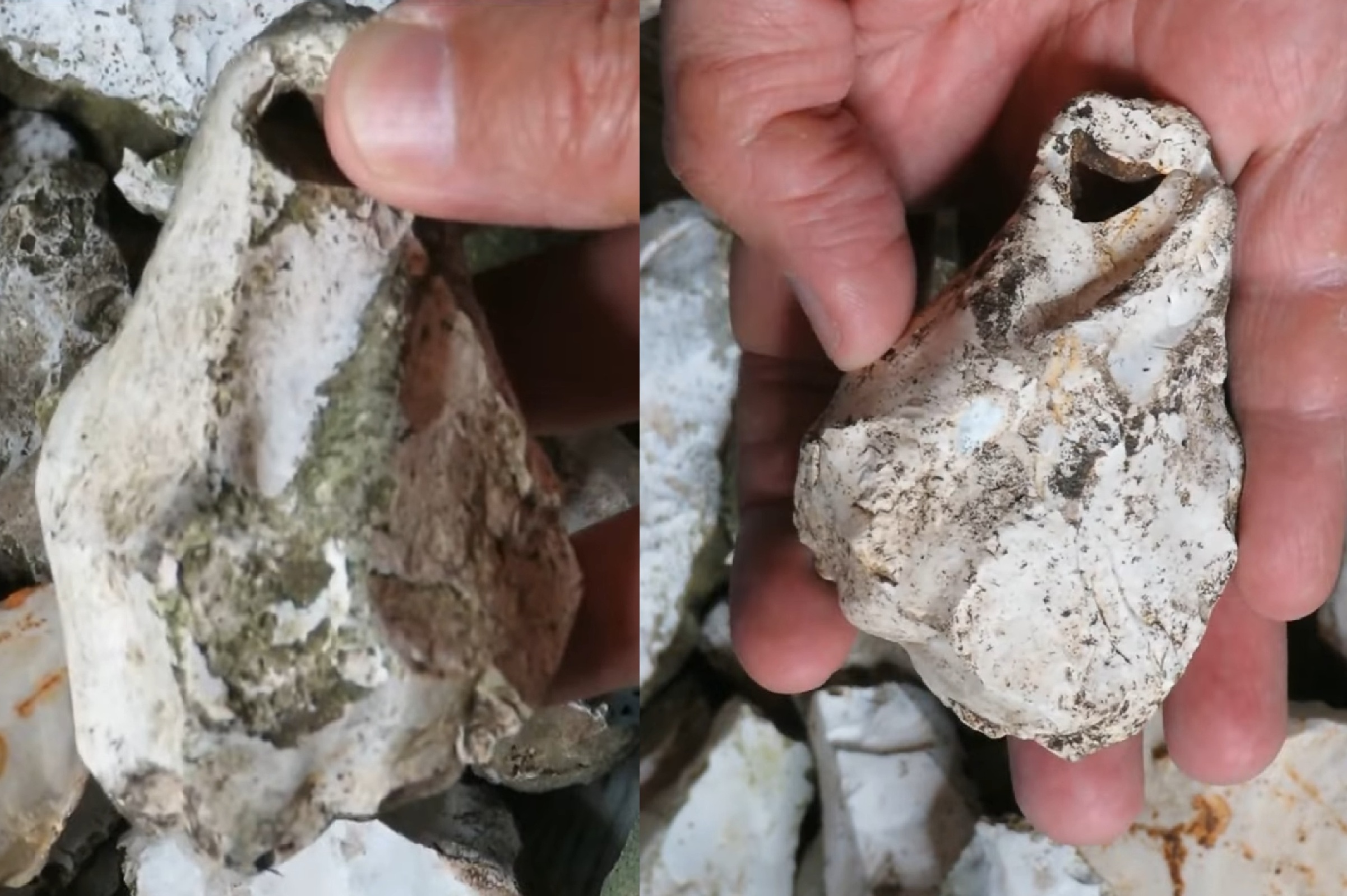
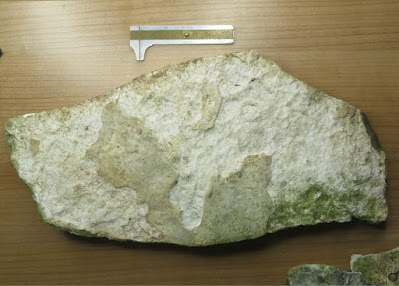
Many striking finds come from tabular flint, natural plate flints
that split neatly and serve both as raw material and anvil. Some show
pitting and counter-blow marks just like those made in experimental
percussion. Others show finer shaping or faintly figurative surface
work. These pieces lie halfway between geology and craftsmanship,
perhaps even early quarrying of the chalk for its best flint seams.
Tabular Flint, Mining and
Percussive Practice on the Southdowns
Echinoids, Spheres and Hammerstones
Scattered among them are fossil sea urchins and smooth stone spheres.
The echinoids fit perfectly in the hand, their calcite shells textured
and hard. They could easily have served as hammerstones or abrasives.
The round hammerstones are scarred from use yet remain largely intact,
suggesting both their durability and their importance.
Echinoids & Spheres: Fossil
Hammerstones
Ironstones and Red Ochre
Dark nodules of hematite turn up again and again, often near worked
flints. When struck they throw sparks and shed a fine red dust, the
earliest pigment known to humankind. Some flints from the site show
ochre-like stains along edges or in carved grooves, hinting that
hematite was used not just for fire but for colour and maybe for
marking or ceremony.
Iron Stones &
Spark: Hematite and Red Ochre
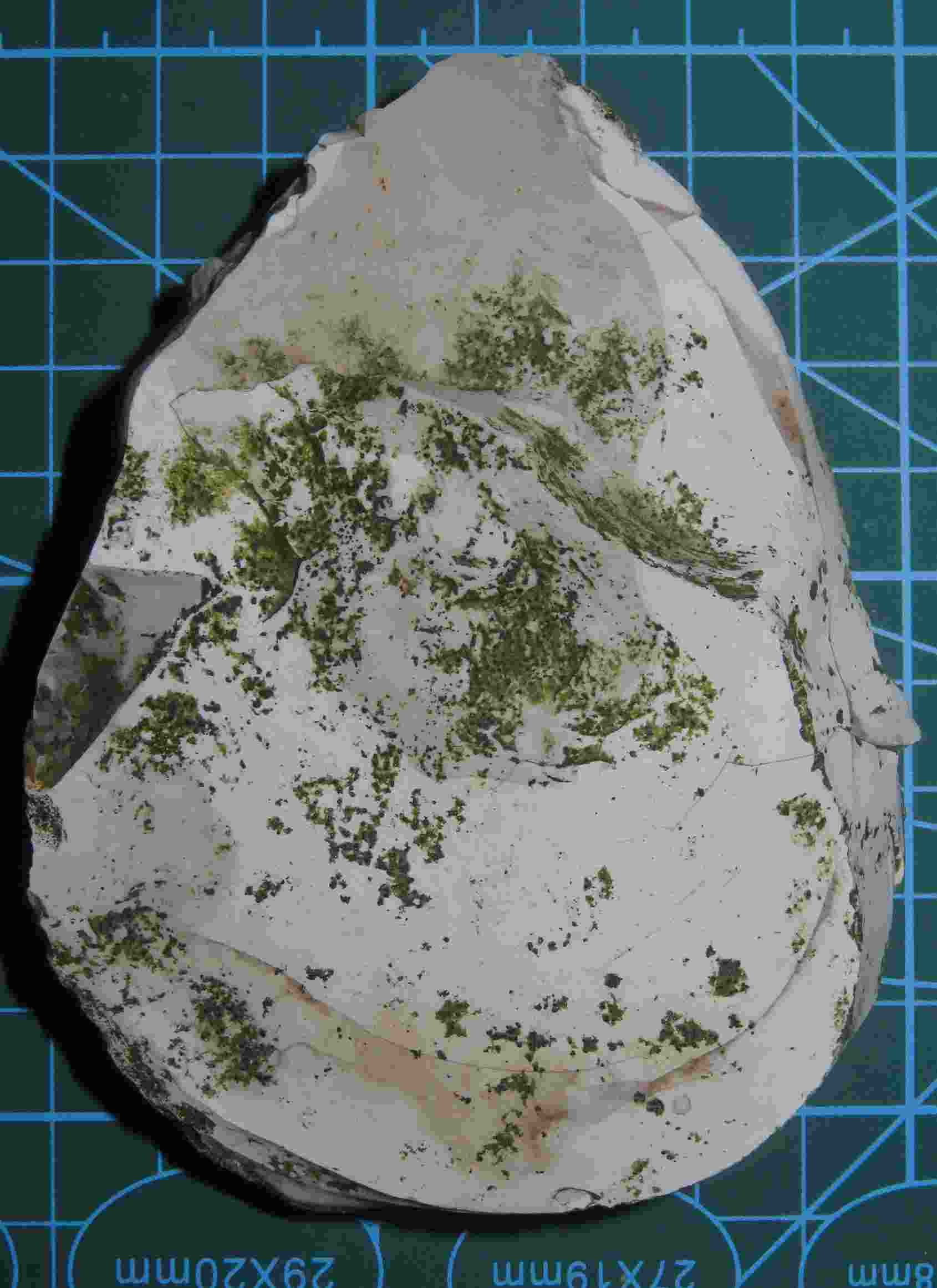
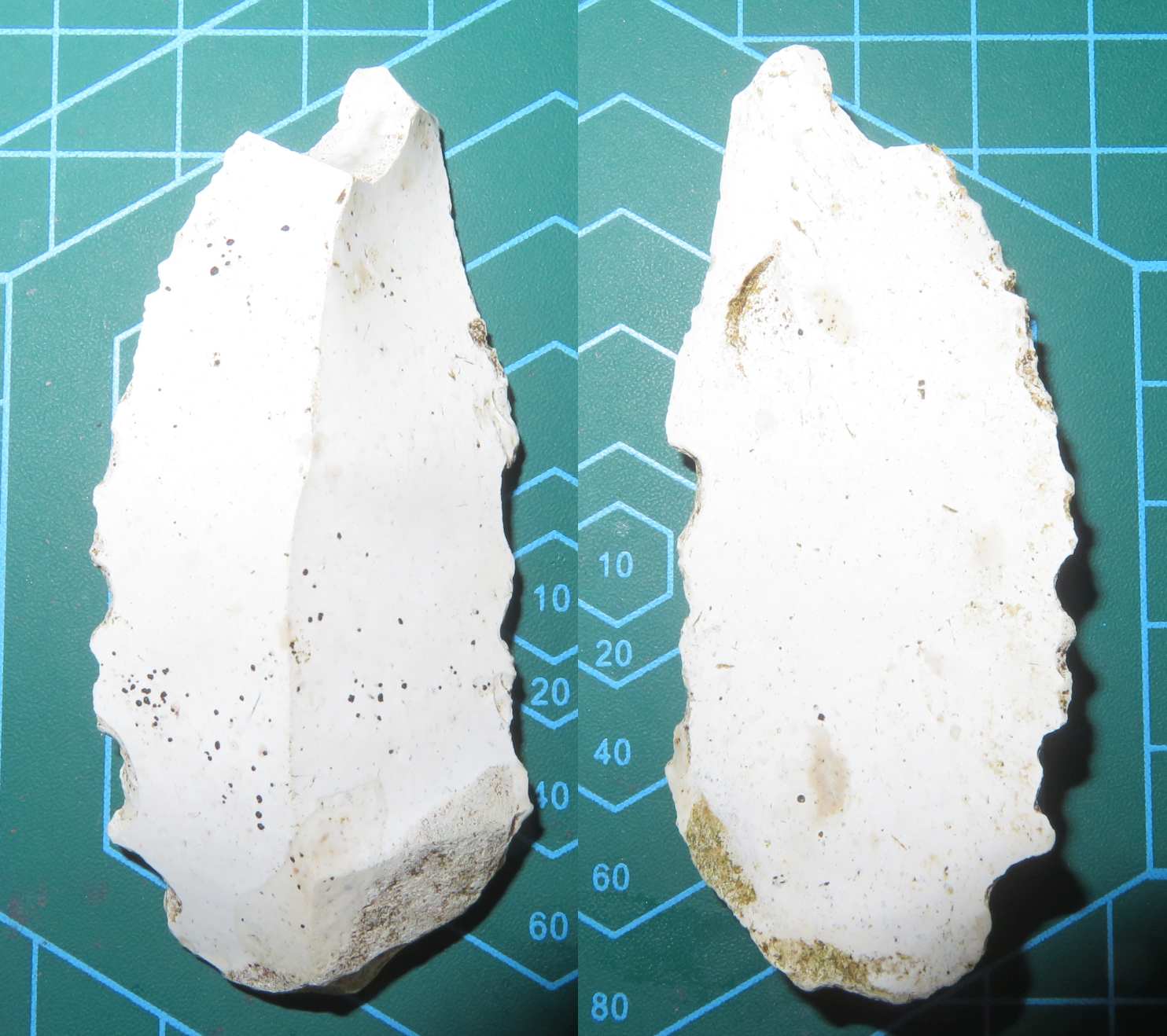
Unifacial and Ovate Tools
Several tools show unifacial flaking, where all scars lie on one
side. It’s a controlled and efficient style, a bridge between Oldowan
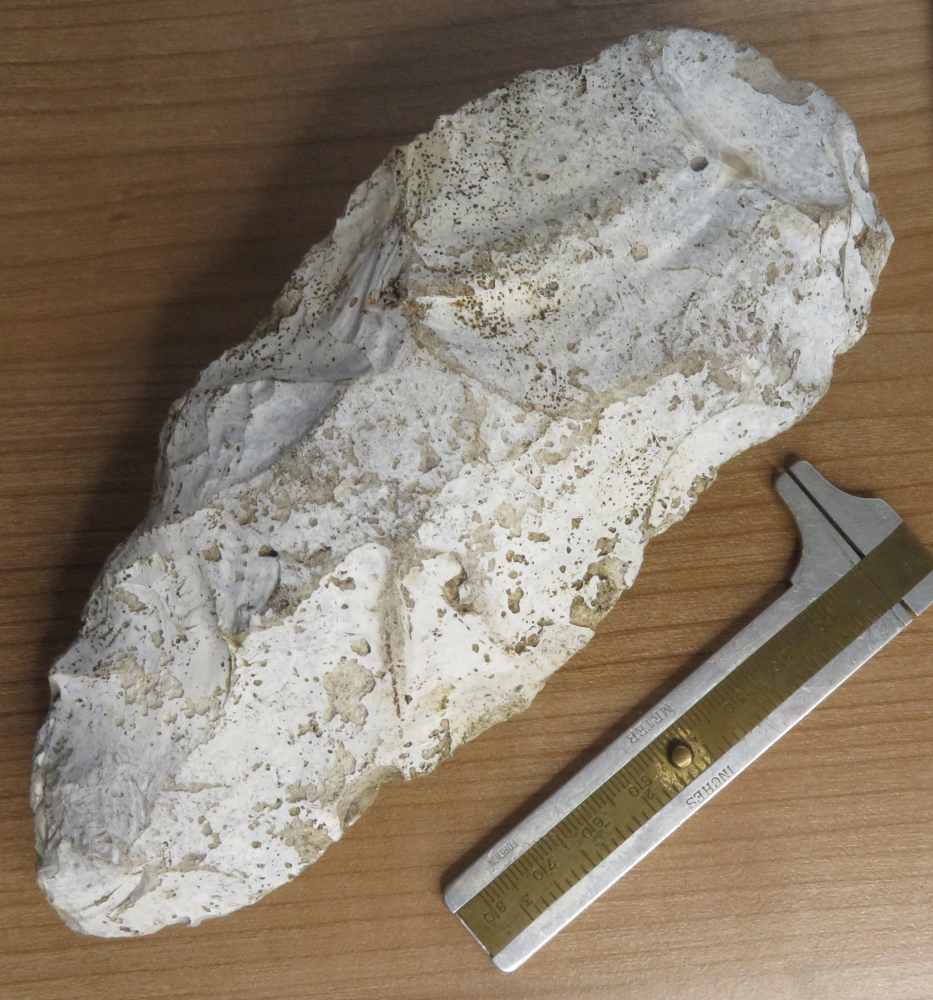
and Acheulean methods. Others are long and ovate, balanced in hand but
still carrying immense age. They echo Acheulean handaxes yet feel
older, their white surfaces thick with patina and weathering.
Ovate Flint Tools - The
Earliest Forms
The Art in Stone
Now and again a piece surprises you. A flake pattern resolves into a
face, or an animal outline, or some composite shape that feels
intentional. It’s hard to call such things coincidence. Whether by
carving or recognition, the makers were seeing meaning in the stone
itself. Perhaps the first stirrings of what we might call art.
Evidence of Advanced Technology and Early Industry
Every class of artefact leads to
the same idea: planned extraction and repeated work. The number of
adzes, hammerstones, pitted slabs, and hematite nodules is simply too
high and too consistent to be random. This was a place of industry.
People were digging into chalk to reach the richest layers of flint
and fossil.
The story told by the finds feels
broad and complex. Hematite for pigment and fire. Echinoids used as
precise hammerstones. Chosen nodules shaped into animal-like figures.
Flint fossils re-used as art. Some even hint at representations of
clothing or decorated forms. The clustering of debris and shallow pits
suggests deliberate digging. They came back, again and again, for the
same resources.
This was far more than toolmaking.
It was early engineering. There is evidence for fire, adhesives,
hafting, even cordage and art. Chemistry, mechanics, imagination. The
Southdowns site may be one of the oldest and most complex centres of
prehistoric activity yet found in Britain, perhaps anywhere.
The Age and Significance of the Site
The chalk of the Southdowns dates
back more than sixty-five million years. Upon that ancient foundation
lie these far younger human marks. The known Boxgrove horizon nearby
stands at around half a million years, linked to Homo heidelbergensis. Yet the flints I’m
finding on the upper slopes look and feel older still. Their patina,
their forms, and their mineral state suggest deep antiquity.
Some pieces share more with the
early Oldowan and Acheulean material from Africa than with later
European toolkits. The thick white patina alone implies long exposure
and chemical alteration, possibly over millions of years. The
technological range, from choppers to blade-like scrapers and anvils,
fits the very earliest phases of tool use. These aren’t brief traces
of a single visit but signs of a long-term tradition. A repeated
return to a flint-rich place that combined toolmaking with symbolic or
aesthetic activity.
If that view holds, the Southdowns
may preserve Europe’s earliest record of human technology and symbolic
awareness. A meeting point between nature and design, between raw
chalk and creative intent. It asks us to redraw the story of early
human thought in Britain. Beneath these quiet green hills lies
evidence of invention and continuity stretching back to the dawn of
mind itself.
FAQ — Southdowns Flint Tools
What defines an Oldowan chopper?
An Oldowan chopper is a worked cobble or core with one or more flaked
edges for cutting, pounding, or scraping. The flakes are large and
few, producing a rugged but functional edge. Hammerstones and anvils
are part of the same tool system.
How old is the Oldowan tradition?
The oldest securely dated Oldowan assemblages, from Ledi-Geraru in
Ethiopia, are over 2.58 million years old — the earliest known
technological system in archaeology.
Could Oldowan-style tools appear outside Africa?
Yes. Similar technologies arose wherever suitable cobbles and needs
co-existed. The same percussive logic — hammer, anvil, edge — can
emerge naturally in any environment.
What evidence links the Southdowns finds to Oldowan methods?
The assemblage includes flint choppers, spherical hammerstones, and
tabular anvils, all bearing impact scars and working edges consistent
with percussive tool use. Though undated, the artefacts mirror the
mechanical logic of Oldowan reduction.
Are these Southdowns finds proof of ancient migration from Africa?
Not necessarily, but they may reflect more than coincidence. While
similar technologies can arise independently, certain recurring
motifs: hands, thumbs, half animal and face profiles too consistent
and widespread to ignore. These patterns suggest an inherited visual
grammar or ancestral tradition expressed through flint, a shared
symbolic memory linking peoples across deep time and vast distance.
Do any Southdowns tools show symbolic or figurative traits?
Yes. One Oldowan-style chopper bears an ape-like facial composition
created by working through the flint’s natural colour zones — white
cortex, pale rind, and dark grey core. The layering shows deliberate
visual awareness rather than chance fracture.